Thank you
Thanks for reaching out. We will get back to you soon.
Oops! Something went wrong while submitting the form.


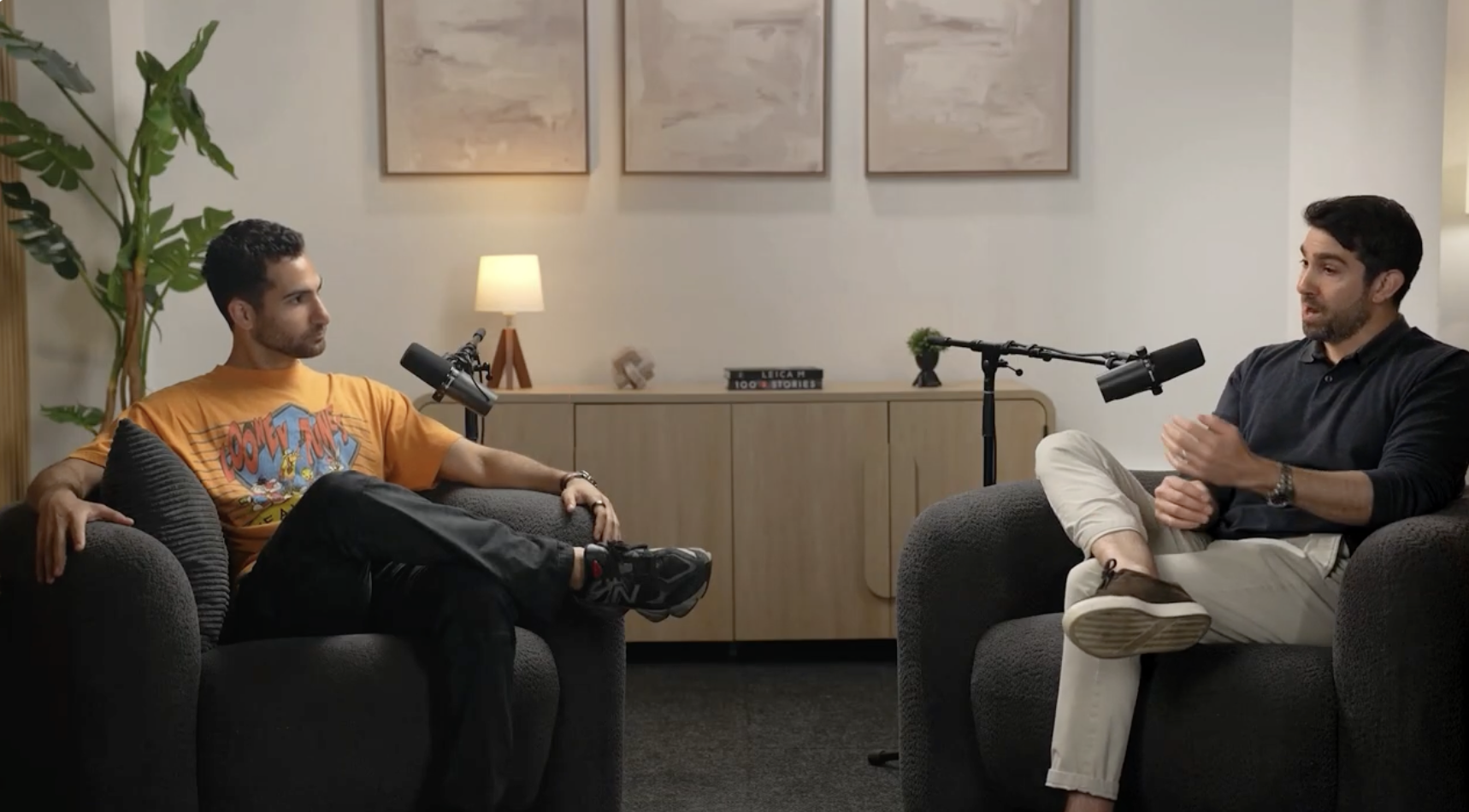

Jonathan Buckelew didn't set out to build a business. He started posting on LinkedIn about what he was learning. Eighteen months later he had tens of thousands of followers, a consulting and education platform, and a pipeline of business opportunities that came directly from that content.
This post breaks down what he did, why it worked, and what any operator or founder can take from it.
Jonathan started posting in late 2024 after leaving a role at a small investment shop. No product, no audience, no content strategy. He wanted to network and stay visible. So he started writing about what he was actually doing: learning how to use AI tools, applying them to asset management workflows, and sharing what was working and what wasn't.
The content was specific. Not "AI is changing real estate" but "here's a skill I built in Claude that reviews my P&Ls and routes variance reports to my property management team automatically." That specificity is what made it land. Readers in commercial real estate recognized the workflow. They had the same problem. They wanted to know how he solved it.
LinkedIn at the time was saturated with motivational posts. Paragraph breaks. Short lines. "You can do it if you just keep going." Jonathan made a deliberate choice to post differently: practical, workflow-level content with real numbers, real tools, and real results.
That positioning worked because it gave people something they could use. A broker in Texas reading about how to use Perplexity to pierce the corporate veil and find building owners gets more value from that post than from any amount of encouragement. Practical content travels further because readers share things that make them look informed, and they act on things that solve a specific problem they already have.
Jonathan writes every post himself. His format is distinctive: short line breaks, no bullet points, a conversational directness that reads differently from most LinkedIn content. Over time, that consistency became recognition. Readers knew what they were getting before they finished the first line.
Voice matters on a feed where hundreds of posts are competing for the same attention. A consistent, recognizable style is an asset that compounds the same way an audience does. Each post reinforces the prior one. The format becomes part of the brand.
He uses AI to spell-check. The ideas, the framing, and the voice are entirely his. That distinction is visible in the content and it's part of why the audience trusts it.
One post reaches an audience. That audience shares it. The next post reaches a larger base. Followers become calls. Calls become relationships. Relationships become opportunities that couldn't have been anticipated when the first post went up.
Jonathan's path from LinkedIn posts to co-founding CRE AI Studio ran through a series of connections, each enabled by the prior content's reach. He met his co-founders because they were on a similar journey and found each other through the feed. The consulting engagements came from operators who had been reading his posts for months before they reached out. The speaking invitations came from people who recognized his name before they knew his background.
None of it was planned. The business emerged from the network the content built, and the network grew because the content was worth following.
The pattern is transferable, but only if the content is genuinely specific.
Post about the work you're already doing. An asset manager who just automated their monthly investor reporting has a post. A broker who figured out how to use AI to cut OM production time in half has a post. The raw material is already there in the day-to-day work. The only step is writing it down with enough specificity that someone else can picture doing the same thing.
Show the process, not just the outcome. A post that says "we increased occupancy by 8% this quarter" is less useful than a post that explains the specific leasing tactic that drove it. Process posts teach. Outcome posts just report. Teaching builds an audience that comes back.
Consistency compounds where volume doesn't. Posting three times a week for six months builds more than posting thirty times in a month and burning out. The algorithm rewards consistency, but more importantly, readers build a habit around accounts that show up regularly. That habit is what turns a follower into a caller.
The goal isn't to grow an audience. It's to document what you're learning in public. The audience is a byproduct of doing that consistently and specifically enough that other people find it useful.
The counterintuitive finding from Jonathan's experience: the less he tried to grow and the more he focused on documenting what he was actually working on, the faster things compounded.
Building in public works because it makes expertise visible before it's packaged. By the time CRE AI Studio launched, Jonathan already had an audience of people who knew exactly what he knew, trusted that he knew it, and were waiting for a way to learn from him directly. The business didn't have to build credibility from scratch. The content had already done it.
If you enjoyed this article, subscribe to The Unordinarys Podcast - watch all Episodes
.svg)