Thank you
Thanks for reaching out. We will get back to you soon.
Oops! Something went wrong while submitting the form.


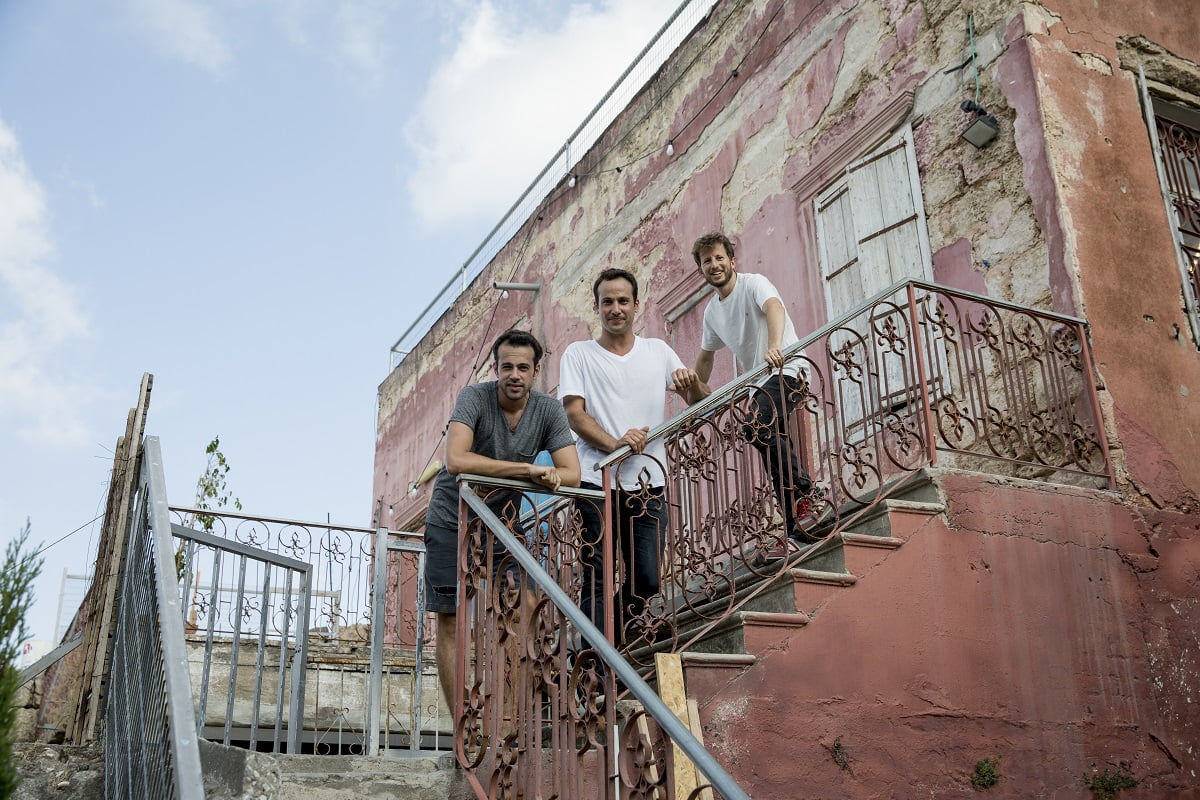
What if multifamily wasn’t run like a utility to be managed, but like a consumer brand to be experienced?
That question sits at the center of how a growing group of operators are thinking about the future of their businesses.
Running multifamily like a consumer brand is an operating choice rooted in service, consistency, and long-term relationships.
Operators leaning into this model believe that when you serve residents end-to-end, retention improves, reputation compounds, and the economics follow.
This post breaks down what a multifamily lifestyle brand actually is, why forward‑looking operators want it, and what that shift looks like in practice without turning the business into a marketing shop.
In the traditional model, a tenant is reduced to a name, an apartment number, and a rent amount. Someone you manage, process, enforce rules on, and hope doesn’t cause problems.
A consumer or resident is someone you serve from before they move in until well after they leave. You try to understand them, retain them, and make their experience meaningfully better over time.
That distinction sounds small, but it changes everything downstream.
It affects how onsite teams prioritize work, how success is measured, and where time and money get allocated. When residents are treated like consumers, experience becomes part of the operating model, not a nice‑to‑have.
The property manager role quietly exploded over the last decade from an admin role into something closer to a general manager role.
Today, onsite teams are responsible for marketing and leasing, maintenance and vendor coordination, conflict resolution, payments and collections, resident satisfaction and retention, and overall community health and reputation.
Property managers are effectively the CEOs of their communities. They control the moments that shape how residents feel about where they live, especially when something goes wrong.
“Brand is way more than a logo. Brand is what your customers think about you. Brand is what your tone of voice, what you are trying to say. What is your identity? What is your culture? What are your principles?”
Answering those questions creates consistency across the entire resident journey, from the moments before move‑in where clarity, speed, and reduced anxiety matter most, through move‑in itself with clear expectations and human support, into day‑to‑day living defined by predictable service and trust.
It shows up most when things go wrong, in fast ownership and clean service recovery, and later in renewal decisions where residents feel known rather than replaceable. Even move‑out matters, because respectful, clean exits are part of the experience residents remember and talk about.
The key is that these moments are intentionally designed. Operators decide where consistency matters most and build systems and behaviors around those moments, rather than leaving experience to chance.
This is also where property managers can create the conditions where neighbors naturally connect and feel like they belong to a real community.
Here’s the uncomfortable truth.
Most technology stacks make this lifestyle brand shift harder, not easier.
Onsite teams are asked to juggle too many disconnected tools. Each one solves a narrow problem, but together they create fragmentation.
The hidden cost shows up in longer onboarding times for new hires, constant context switching, inconsistent resident experiences, and burnout at the onsite level.
Experience requires continuity. Continuity breaks when workflows live in ten different systems.
This is why many operators feel stuck. They want better resident experiences, but their tech stack actively works against consistency.
The clearest way to understand how to operate like a lifestyle brand is to look outside real estate at how the best consumer companies work.
As Or put it, “Think about Spotify, Netflix, Airbnb, Apple, Amazon. They build a customer data platform. It’s a tool to know the customer. If I have one customer, it’s easy. But if I have 150,000 or 1.5 million customers, how do I give the same level of love at scale? I need a platform to really know every individual.”
Property managers can do the same, but only if it’s grounded in trust and usefulness.
This is less about data collection and more about giving onsite teams the context they need to serve residents well. Preferences, history, service interactions, and patterns across the resident journey matter because they allow teams to treat people like individuals instead of ticket numbers.
This is the enabling layer behind a consistent experience and a foundational part of the lifestyle brand shift.
It might seem like moving in this direction requires changing everything about how your company operates. It doesn’t. What actually needs to change is how consistently you deliver service.
Here are five operational moves that actually matter:
They’ll have the most consistent experience.
The shift toward lifestyle brands is a deliberate bet by operators who believe experience is becoming a core competitive advantage. The operators that win will be the ones who design for continuity, empower onsite teams, and treat experience as a core function of the business.
If you want more breakdowns like this, I share lessons from operators and founders building real businesses on the Unordinary podcast and newsletter.
.svg)